
Illegal Mining and Child Labor Concerns Raised in Bas-Uélé Province
DR Congo: Entrepreneur Obed Mutuale Warns of Illegal Mining and Child Labor Crisis in Bas-Uélé
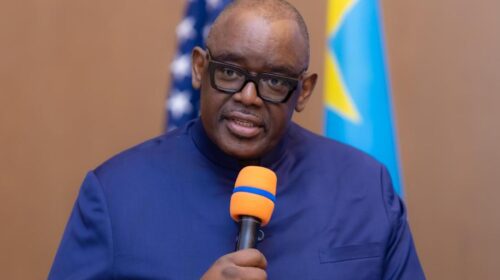
Congolese entrepreneur Obed Mutuale has raised serious concerns over the illegal exploitation of mineral resources in Bas-Uélé Province, located in the northeastern part of the Democratic Republic of Congo (DRC).
Following a visit to the province from January 18 to 25, Mutuale is urging central government authorities to take immediate action to curb unlawful mining activities in the region.
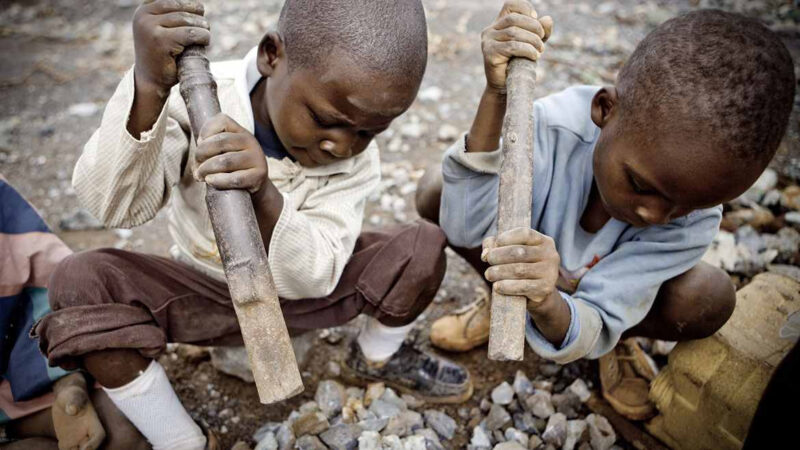
He specifically highlighted the growing use of underage children at some mining sites, describing the situation as deeply alarming.
Speaking to the press on Sunday, March 8, 2026, in Kinshasa, the businessman who is active in the Congolese economic sector said the situation on the ground is increasingly troubling.
According to Mutuale, several mining zones in Bas-Uélé operate beyond effective state oversight, creating an environment where illegal artisanal mining has expanded significantly.
“We call on the central government to put an end to the illegal exploitation of resources and the use of child labor in mining sites, which is reaching alarming levels in this province,” Mutuale stated. “The national executive must take urgent measures to strengthen security.
Bas-Uélé remains largely neglected by the central government, despite being the second-largest province in the Democratic Republic of Congo by area.”
Mutuale stressed that the situation represents both a natural resource governance crisis and a social protection issue, particularly due to the involvement of children in mining activities.
Several international organizations have repeatedly identified child labor in hazardous conditions as one of the major challenges facing the artisanal mining sector in parts of the country.
Beyond illegal mining, the entrepreneur also pointed to broader security challenges affecting the border province. These include a shortage of personnel within the Armed Forces of the Democratic Republic of Congo (FARDC) and difficult working conditions faced by security services operating in the area.
He argued that increasing the military presence and improving the living and operational conditions of soldiers are essential steps to restoring state authority and securing mining zones.
Mutuale called for a comprehensive government response that combines stronger security measures, better control of natural resources, and targeted local development programs.
Such an approach, he said, would help prevent the expansion of illegal mining networks while protecting vulnerable communities especially children from exploitation linked to informal mining.
Meanwhile, efforts to strengthen national defense have continued. As part of a nationwide mobilization campaign to reinforce the armed forces in response to security threats, several groups of young recruits from Bas-Uélé were sent to Kinshasa in 2025 for military training.
According to the Bas-Uélé provincial communications unit, 256 young people from various territories and from the city of Buta traveled to the capital in April 2025 to begin training.
This followed an earlier group of 600 volunteers who had already undergone military training in March of the same year.
These initiatives form part of a broader call by the Head of State for citizen mobilization to defend the territorial integrity of the Democratic Republic of Congo.